Clinics
How to run a loyalty program for your clinic
Clinics and dental offices don't have the luxury of weekly visit cycles. A patient comes every six months, maybe once a year, and the biggest threat to your practice isn't competition — it's forgetting.
A visit-based loyalty program, when designed with appropriate restraint for a clinical setting, solves the recall problem and gives your staff a reason to message patients that doesn't feel like marketing.
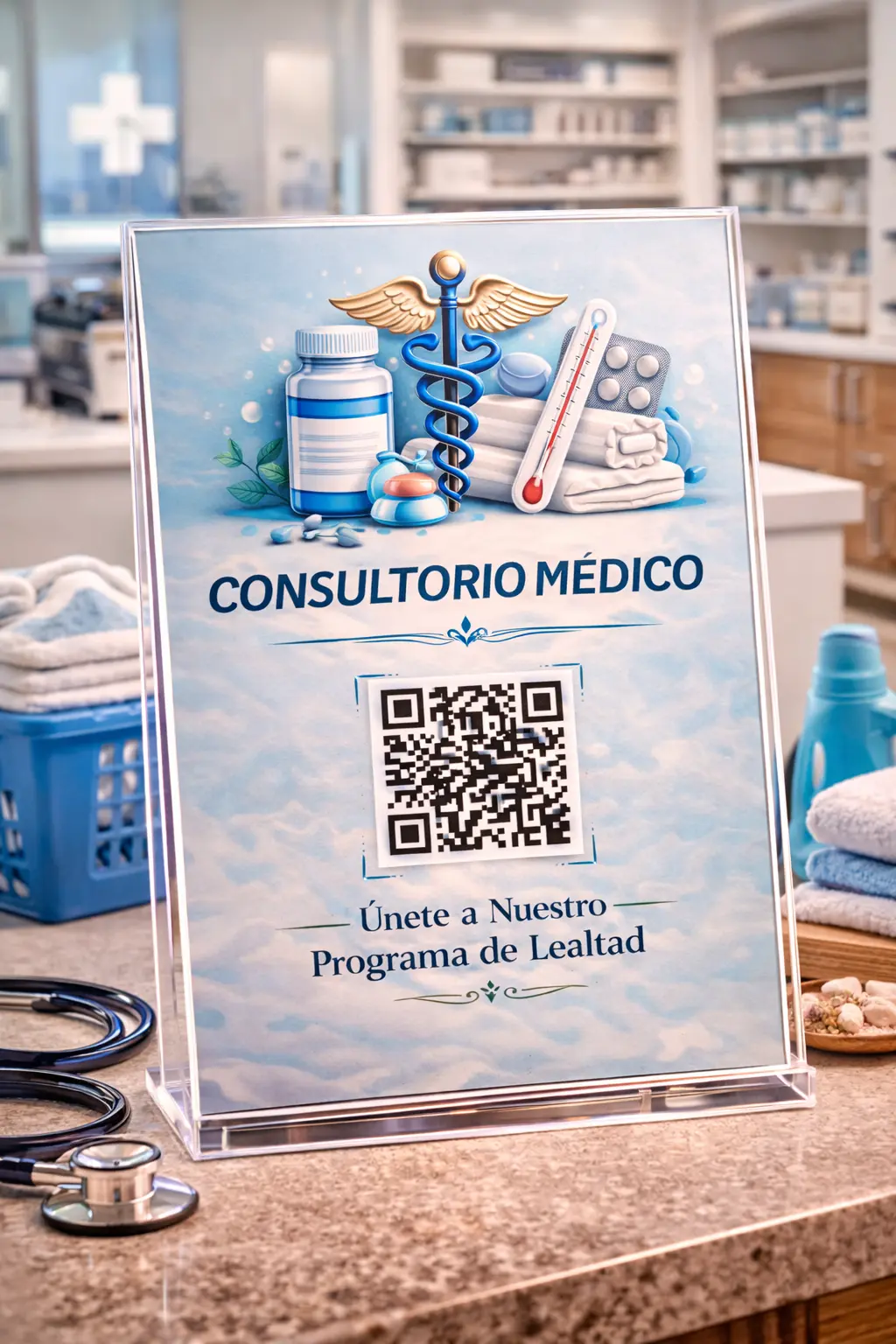
Recommended visit threshold: 4
Four visits at a six-month cadence is two years — reasonable for a loyalty cycle in clinical care. If most of your patients come for biannual cleanings, four is the sweet spot.
Drop to 3 if you offer monthly aesthetic treatments. Use 5 only if you have a high-frequency specialty (orthodontic adjustments, physical therapy).
Reward ideas ranked by appropriateness
- Free dental cleaning — the classic, patient-friendly, margin-appropriate.
- Free whitening touch-up session — high perceived value, low marginal cost.
- Free fluoride treatment — add-on upgrade with near-zero cost.
- Free premium electric toothbrush or retail product — earns brand visibility.
- Free consultation with a specialist — opens upsell pipeline.
- Referral reward: free cleaning when a family member joins.
Campaign templates
- SMS, 6-month recall: fires 180 days after last visit. "It's cleaning time. Reply YES to schedule — loyalty stamp is ready."
- SMS, 48-hour confirmation: fires 2 days before appointment. "See you Thursday 10 am. Reply to reschedule."
- Push, post-visit review request: fires 24 hours after visit. Keep it short and optional.
- SMS, lapsed patient day 270: fires if no booking 90 days past due. "It's been a year. Next cleaning has a free fluoride on us if you book this month."
- Push, family plan: fires to patients with more than 3 visits. "Bring the family — their first cleaning counts as a stamp too."
Seasonal hooks
- January new year health goals: free consultation with stamp bonus.
- Back-to-school August: child dental check promotions.
- End-of-year benefits reminder: use-it-or-lose-it messaging in October and November.
- Month-of-the-patient local days: double stamps.
The mistake specific to clinics
- Treating it like a retail program. Tone matters more here than almost anywhere else — no emoji spam, no aggressive discount language, no conflating a loyalty reward with necessary care. Your program lives or dies on whether the patient trusts you; the messaging has to match the chair.
Common questions
How many visits should a clinic or dental loyalty program require?
Four. At a six-month cadence, that's two years — reasonable for a loyalty cycle in clinical care. If most patients come for biannual cleanings, four is the sweet spot. Drop to 3 if you offer monthly aesthetic treatments; use 5 only for high-frequency specialties like orthodontics or physical therapy.
What reward is appropriate for a clinic?
Ancillary services that feel medical-adjacent, not retail. Free cleanings, free whitening touch-ups, free fluoride treatments, or a premium at-home product (electric toothbrush). Never structure a reward that could be read as encouraging unnecessary procedures.
When should the 6-month recall SMS fire?
180 days after the last visit. This single message is typically the highest-ROI communication a clinic sends. Keep it short, conversational, and unambiguous: "It's cleaning time. Reply YES to schedule — loyalty stamp is ready."
How do I keep the tone appropriate for a medical setting?
No emojis, no exclamation points, no urgency language. Use the patient's name, reference their provider, and frame the reward as a courtesy rather than a prize. The program should feel like your front desk made the outreach, not a marketing team.
Beat no-shows with a clinical-grade recall
FanKit's visit tracking and automated recall messages keep your chair full without feeling like marketing.
Create program free